Mastering OpenAI Model Customization: A Step-by-Step Guide


With the rise of AI technologies, customizing models like those from OpenAI has become a crucial skill for developers and businesses alike. Tailoring these models to fit specific needs can significantly enhance productivity and innovation. This guide will walk you through the process of mastering OpenAI model customization.
Understanding OpenAI Models
OpenAI models are powerful tools that can be adapted to perform a wide range of tasks, from natural language processing to generating creative content. Understanding the core functionalities of these models is the first step toward effective customization. These models are pre-trained on extensive datasets and can be fine-tuned to cater to specific needs.
Customization involves adjusting the model's parameters and training it on domain-specific data. This process not only improves performance but also ensures that the model resonates more closely with the intended application.

Preparing Your Data
Data preparation is a critical step in model customization. The quality and relevance of your data directly impact the model's performance. Begin by gathering data that is representative of the tasks you want the model to perform. Ensure that the data is clean, well-organized, and free from biases.
Once your data is ready, it’s essential to split it into training, validation, and test sets. This division helps in evaluating the model's performance at different stages of the customization process.
Data Annotation
Annotated data plays a pivotal role in training AI models. Properly labeled data helps the model understand the context and nuances of the task at hand. Depending on your project, you might need to manually annotate data or use automated tools to streamline the process.

Fine-Tuning the Model
Fine-tuning involves training the pre-trained model on your specific dataset. This process adjusts the model's weights and biases to better align with your requirements. Utilize frameworks like TensorFlow or PyTorch to facilitate the fine-tuning process. These platforms provide tools to optimize the model efficiently.
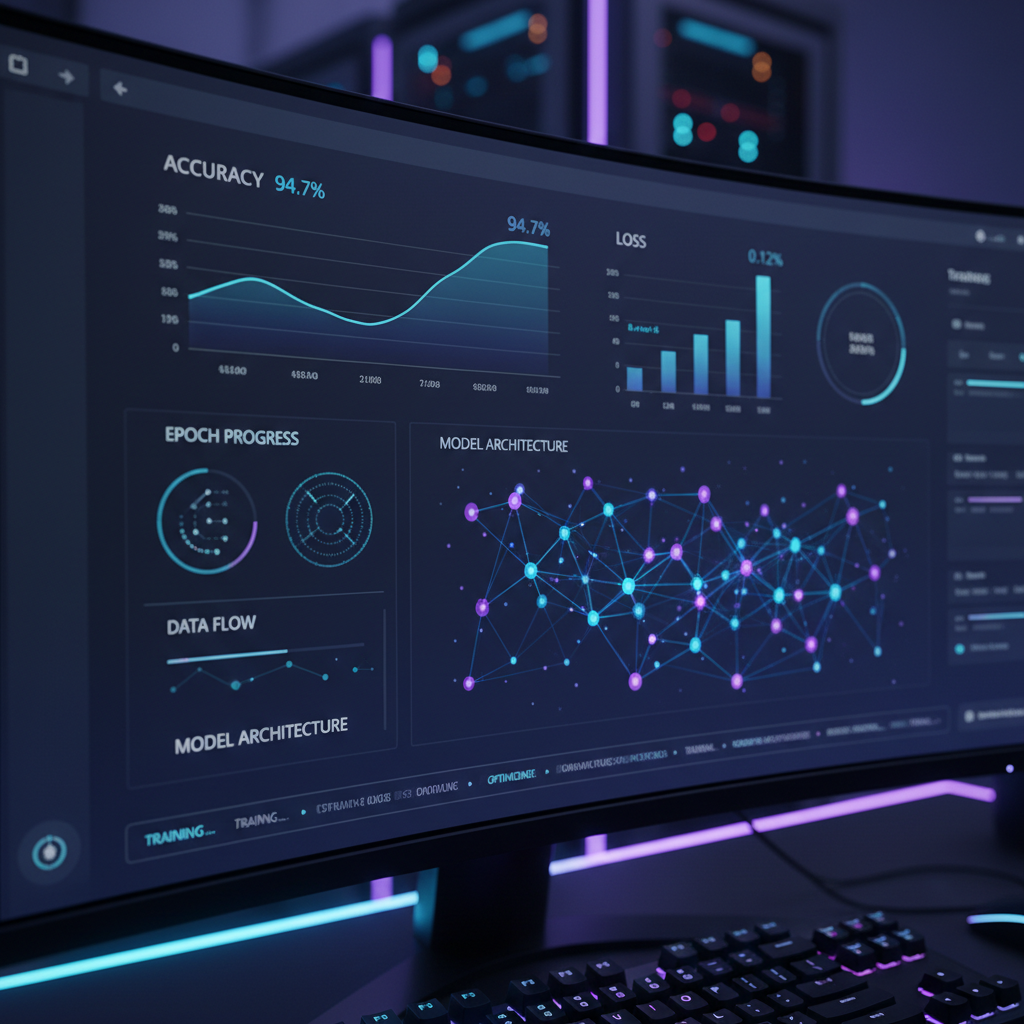
During fine-tuning, monitoring the model's performance through metrics like accuracy and loss is crucial. This helps in identifying areas where further adjustments might be necessary.
Hyperparameter Optimization
Hyperparameter optimization is an essential aspect of fine-tuning. It involves tweaking parameters like learning rate, batch size, and the number of epochs to enhance model performance. Experimenting with different configurations can lead to significant improvements.
Testing and Evaluation
After fine-tuning, rigorous testing is necessary to ensure that the model performs as expected. Use the test dataset to evaluate the model's accuracy, precision, recall, and other relevant metrics. This evaluation provides insights into the model's strengths and potential areas for improvement.
Feedback from testing phase is invaluable. It helps in making informed decisions about further adjustments and refinements.
Deployment and Monitoring
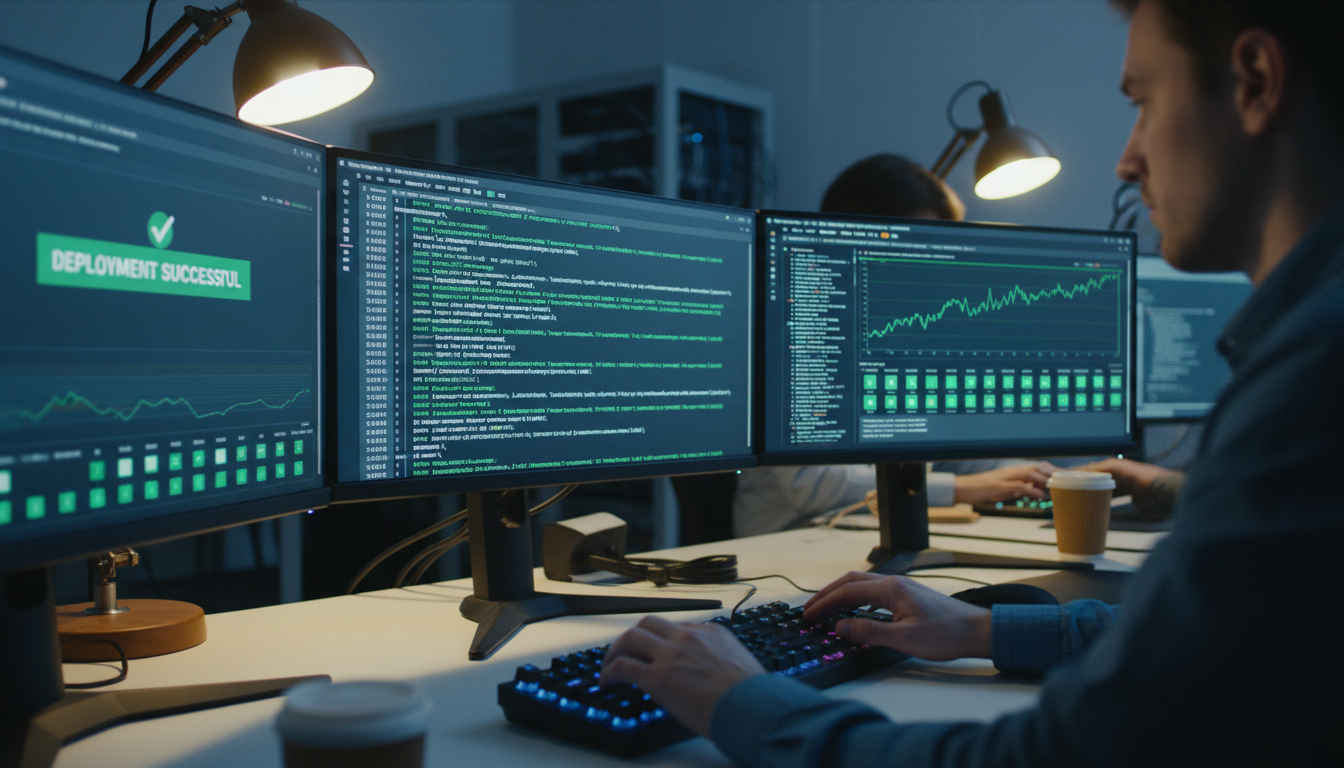
Once satisfied with the model's performance, the next step is deployment. Deploying the model involves integrating it into your existing systems or applications. Continuous monitoring post-deployment is vital to catch any issues and to ensure the model remains effective over time.
Mastering OpenAI model customization is a journey that combines technical expertise with creativity. By following these steps, you can create AI solutions tailored to your unique needs, driving innovation and efficiency in your projects.